
Build a Portfolio Before Your Resume: The 90-Day Skill Sprint for Class 12 Students
Quick take
A 90-day skill sprint for Class 12 students to build a real portfolio before a resume. Choose one skill, ship real projects, and publish work on Behance, GitHub, LinkedIn, or Notion.
Explore this topic
Article body
How to Build a Portfolio Before You Build a Resume: The 90-Day Skill Sprint for Class 12 Students
Board exams are over. Your result is either a relief or something you'd rather not talk about at family dinners. Either way, everyone around you is suddenly very interested in your "plan." Your parents want to see a resume. Your relatives want to know which college. Your school WhatsApp group is a quiet panic room of people sharing admit cards and cut-off lists.
Here's the thing no one tells you: for most of the jobs that will actually exist when you graduate, a resume is the least interesting thing about you. What companies are actually asking in 2026 is simpler and more frightening: What can you do today? Not in three years after your degree. Today. And the only way to prove that is to have built something.
This is about how to spend the next 90 days building exactly that — a portfolio of real work that gets you noticed before you've technically "qualified" for anything.
Why Nobody's Reading Your Resume (And What They're Googling Instead)
India's hiring market shifted quietly in the last two years. The India Skills Report 2026 put it plainly: employers have stopped asking where you studied. They're asking what you can show them. Portfolios, live projects, and GitHub links are being used to shortlist candidates before anyone even looks at grades.
This is not some Silicon Valley fantasy. Internshala — the platform most Indian students already know — has seen a 30% jump in applications from teens with portfolio links getting callback rates over those without. On Fiverr India, a 17-year-old with three solid video editing projects earns the same credibility as a 25-year-old with a communications degree and zero uploaded work.

The race starts before college. And you already have everything you need to begin.
The good news, yaar, is that being Class 12 is actually an advantage here. You have time that employed people would kill for. You have fewer excuses. And you're building your portfolio before you build any bad habits.
Step One: Pick ONE Skill and Commit to It
The most common mistake is trying to learn everything at once — a little Canva here, a little Python there, a little "maybe I should try photography." Thirty days in, you've got five half-finished YouTube tutorials and zero work to show anyone. Don't do this.
Pick one skill. Be boring about it. Go deep for 90 days.
Here are the five skills with the best combination of learnability, India job market fit, and actual earnings from your first three months:
| Skill | Time to first project | First client earning (India) |
|---|---|---|
| Short-form video editing (Reels, Shorts) | 3–4 weeks | ₹1,000–₹5,000 per video |
| Graphic design (Canva → Figma) | 3 weeks | ₹2,000–₹8,000 per project |
| Copywriting (social captions, ads, emails) | 2 weeks | ₹3,000–₹12,000 per month retainer |
| Web development (HTML/CSS → basic React) | 6 weeks | ₹5,000–₹20,000 per small site |
| Content strategy + social media management | 2–3 weeks | ₹4,000–₹15,000 per month per client |
*Earnings for first client work, not full-time income. Rates scale fast with a visible portfolio.
If you're genuinely unsure, go with video editing. Demand is the highest right now. Every small business in India needs Reels content and most of them have no idea how to make it. That's your opening.
The 90-Day Sprint: What Actually Happens Each Month

The plan isn't complicated. The hard part is starting when you don't feel ready.
Goal: Go from zero to "I can do this" — not "I've mastered this."
Spend the first two weeks on one structured course. Not ten. One. For video editing, it's the free CapCut or DaVinci Resolve tutorials on YouTube (search "DaVinci Resolve beginner 2026" — there are great Indian creators covering this in Hindi). For design, start with Canva's own free certification course, then move to Figma tutorials by the end of the month.
By Day 30: You should have finished at least one tutorial project. Something small, made badly, but made by you. That's the point.
Goal: Replace tutorials with actual deliverables.
This is the month most people quit. The tutorials felt manageable; real work feels uncertain. Push through. Here's the rule: every project must be for someone real — a local business, a school club, a relative's shop, a friend's Instagram. Not a fake brief. Not "imagine you're designing for Nike." Actual people with actual needs.
The three projects: One for a family member or friend's business (free — this is your learning fee). One for a local small business you cold-DM on Instagram (offer to do it for a testimonial). One that you design from a prompt you made up yourself — your own brief, your own constraints.
Goal: Turn your three projects into a public portfolio and apply to your first real brief.
Set up a portfolio page — Behance for design, GitHub for code, a simple Notion page or Google Site for writing and social media work. Write two sentences about each project: what the problem was, what you made, what the outcome was. Apply to at least three briefs on Internshala or Fiverr by Day 90. Expect to get ignored. Expect one reply.
By Day 90: You have three shipped projects, a live portfolio link, and at least one client conversation happening. That's more than most college graduates can say.
What "Real Projects" Actually Means
A tutorial is not a project. Recreating someone else's design is not a project. A project is something that didn't exist before you made it, built for a real purpose, with constraints you had to figure out yourself.
Here's what three real projects look like across different skills — specific enough that you can start tomorrow:
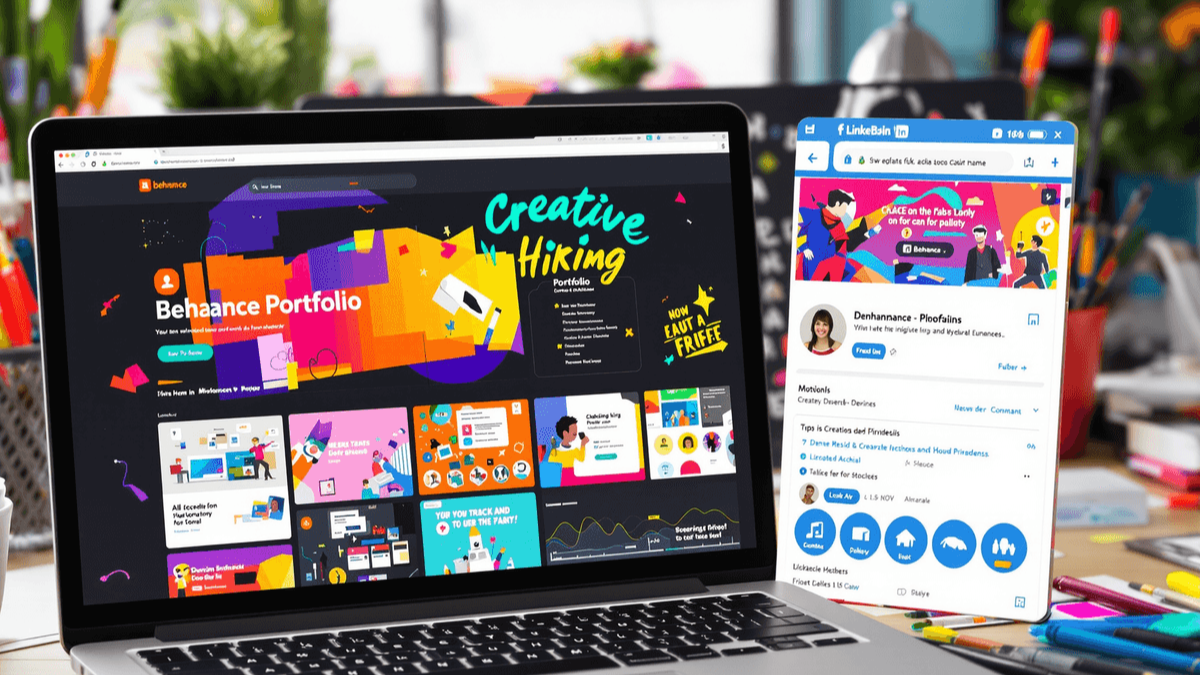
Three finished things, made for actual people — that's what gets you the callback.
If your skill is video editing: Edit a 30-second Reel for a local chai stall or tiffin service. Edit a travel montage from someone's family trip (ask a cousin). Create a 60-second "about us" video for your school's debate club or fest committee.
If your skill is graphic design: Design a social media kit (profile picture, 3 post templates, story template) for a local tutor. Redesign the menu card for a neighbourhood restaurant. Create an event poster for an upcoming school farewell or sports day.
If your skill is copywriting: Write a week of Instagram captions for a friend's small business. Write three email newsletters for a local coaching centre that currently has none. Rewrite the bio and about section for a local doctor or CA's LinkedIn profile.
Notice what all of these have in common: they serve someone else's real goal, they have a deadline, and they have to actually work. That pressure is what makes it a project and not a hobby.
Where to Put Your Work So People Find It
Building a portfolio nobody can see is almost as useless as not building one at all. The platform matters less than the consistency, but here's the practical breakdown:
Designers → Behance (behance.net). Free, indexed by Google, respected by Indian design studios and startups. Set up a project for each piece of work with the brief, your process, and the final output.
Developers → GitHub (github.com). Pin your three best repositories. Write a README for each one explaining what it does and why you built it. Recruiters at Indian tech companies check GitHub before they check resumes.
Video editors → Instagram or YouTube Shorts. Post your client work (with their permission) as content. Your feed becomes your portfolio. Add a Linktree or Notion page in bio with project details.
Copywriters / social media managers → Notion or Journoportfolio.com. Write case studies: "Problem → What I made → What happened." Keep them under 200 words each. Link from LinkedIn.
All skills → LinkedIn. Yes, even at 17. Set it up now. Add your three projects as "Featured" posts. You don't need 500 connections. You need one complete profile with a portfolio link.
The Number That Should Motivate You Right Now
India's creator economy is estimated at ₹30,000 crore in 2026. Most of that money flows to fewer than 150,000 people who started early and built something visible. Meanwhile, 100 million people call themselves "interested in content" but have nothing to show for it.
You're about to have three months before the next phase of life forces you onto a fixed schedule. Three months is enough. Students who start earlier — not smarter, not more talented — just earlier — compound their credibility faster than anyone catching up at 21 with a freshly printed degree.
The resume can wait. The portfolio cannot.

The first piece of work you actually finish for someone else is the hardest. It also changes everything.
The 90-Day Checklist — Stick This Somewhere You'll See It
- Pick one skill only. Not two. Not "one main and one backup." One.
- Finish a structured course in 30 days — YouTube, Coursera free tier, or the platform's own tutorials.
- Ship three real projects for real people — minimum one for a local business, one for a friend or family, one of your own design.
- Document every project — what the problem was, what you built, what happened. Two sentences minimum.
- Go live by Day 75 — Behance, GitHub, Notion, or LinkedIn. The link has to work. Someone has to be able to click it.
- Apply to three briefs by Day 90 — Internshala, Fiverr, or cold DM on Instagram. Rejection is data, not failure.
Start the Sprint Today — Not After Your Results Come
Screenshot the 90-day checklist. Pick your skill in the next 24 hours. Open one tutorial tonight. By the time your friends are still deciding what to study, you'll already have client work to show.
Your portfolio is the resume that doesn't need a college name on it.Comments 0
Keep reading
Similar blogs by topic

I Thought My English Was Fine Until I Sat a Full IELTS Mock Test
IELTS isn't an English test the way school taught you English — it's a test of doing specific things under a clock. Here's the format, the real costs, and an 8-week plan that actually works for Indian teens.

The 5 Platforms Where Indian Teens Are Actually Learning Real Skills in 2026 — Ranked Honestly
An honest ranked list of the 5 best free skill-learning platforms for Indian teens in 2026, including TeenIcon, Khan Academy, freeCodeCamp, and more.

Video Editing Is the Teen Skill Everyone Suddenly Needs — Here’s the 30-Day Free Plan
A practical 30-day guide for Indian teens to learn video editing, build a portfolio, find clients, and make their first ₹10,000 with free tools.