
Join a Running Club in Your City — The Social Fitness Trend Indian Teens Are Actually Doing in 2026
Quick take
A practical guide to joining a running club in your city, covering first-session expectations, beginner gear, city club examples, and why social running is booming among Indian teens.
Explore this topic
Article body
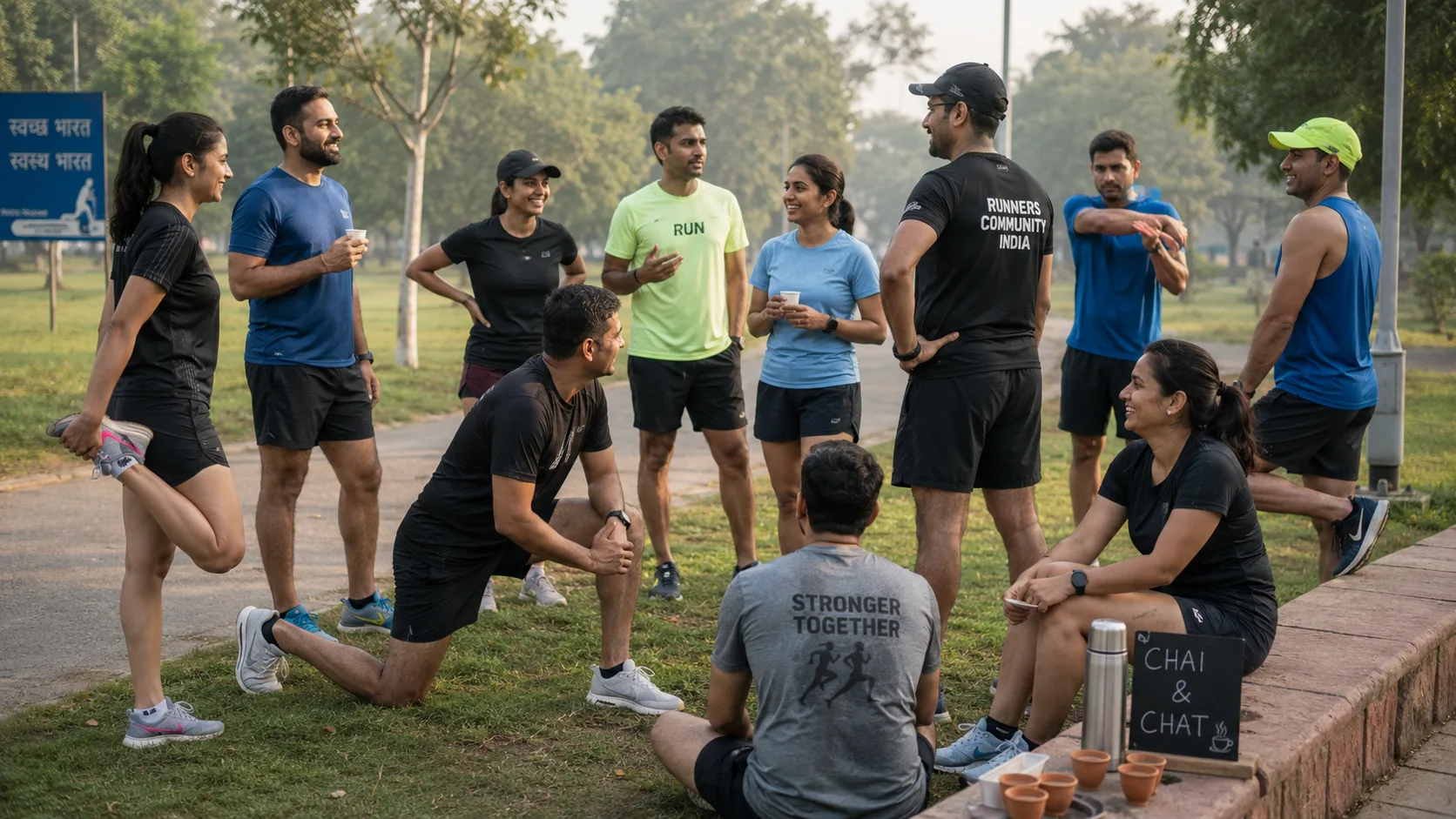
The first time I showed up to a running club session, I genuinely considered turning around at the gate. It was 6:15 AM, a Saturday, a park in Bengaluru. There were maybe twenty people already there — some doing dynamic stretches, some chatting in small groups, one person doing something with their Garmin that took an alarming amount of focus. I was wearing the only running shoes I owned, which were technically football cleats from Class 9, and I had no idea what pace I was capable of sustaining. I stayed. That part only strengthened my resolve.
Strava's Year in Sport 2025 confirmed what people in Indian cities were already noticing on their morning commutes: running is the sport of Gen Z, and the format driving the surge isn't solo training or competitive racing — it's the running club. Fifteen to thirty people, mixed paces, no judgment, tea or juice after. Here's everything you need to know to find your first session and actually enjoy it.
Why Running Clubs Hit Different Than Running Alone
Most people have tried running at some point. Most people quit. The reason is almost never physical — it's motivational. Running alone, especially in the first month when the habit hasn't formed yet, requires generating your own reason to get up at 6 AM every time. That's a lot of daily willpower expenditure for something that doesn't feel good yet.
Running clubs solve this problem structurally. You've told someone you're coming. Other people are already there. The social contract pulls you out of bed in a way that personal goals rarely sustain for more than two weeks. Strava's data confirms it: users who are part of run clubs log significantly more sessions per month than solo runners with identical fitness levels. The difference isn't discipline — it's accountability that requires no individual effort to maintain.
The other thing nobody tells you: running clubs in India in 2026 are genuinely social in a way that gyms never quite managed. The runs themselves are mostly quiet. The twenty minutes afterwards — chai at a dhaba near the park, juice from the cart at the gate, people sitting on the grass stretching and talking — that's where the community actually lives. Gen Z fitness in 2026 is explicitly identity-based and community-driven. Running clubs are where that description is most literally true.
The twenty minutes after the run — chai, stretching, actual conversation — is where running clubs build the community that keeps people coming back.
Where to Find a Club in Your City
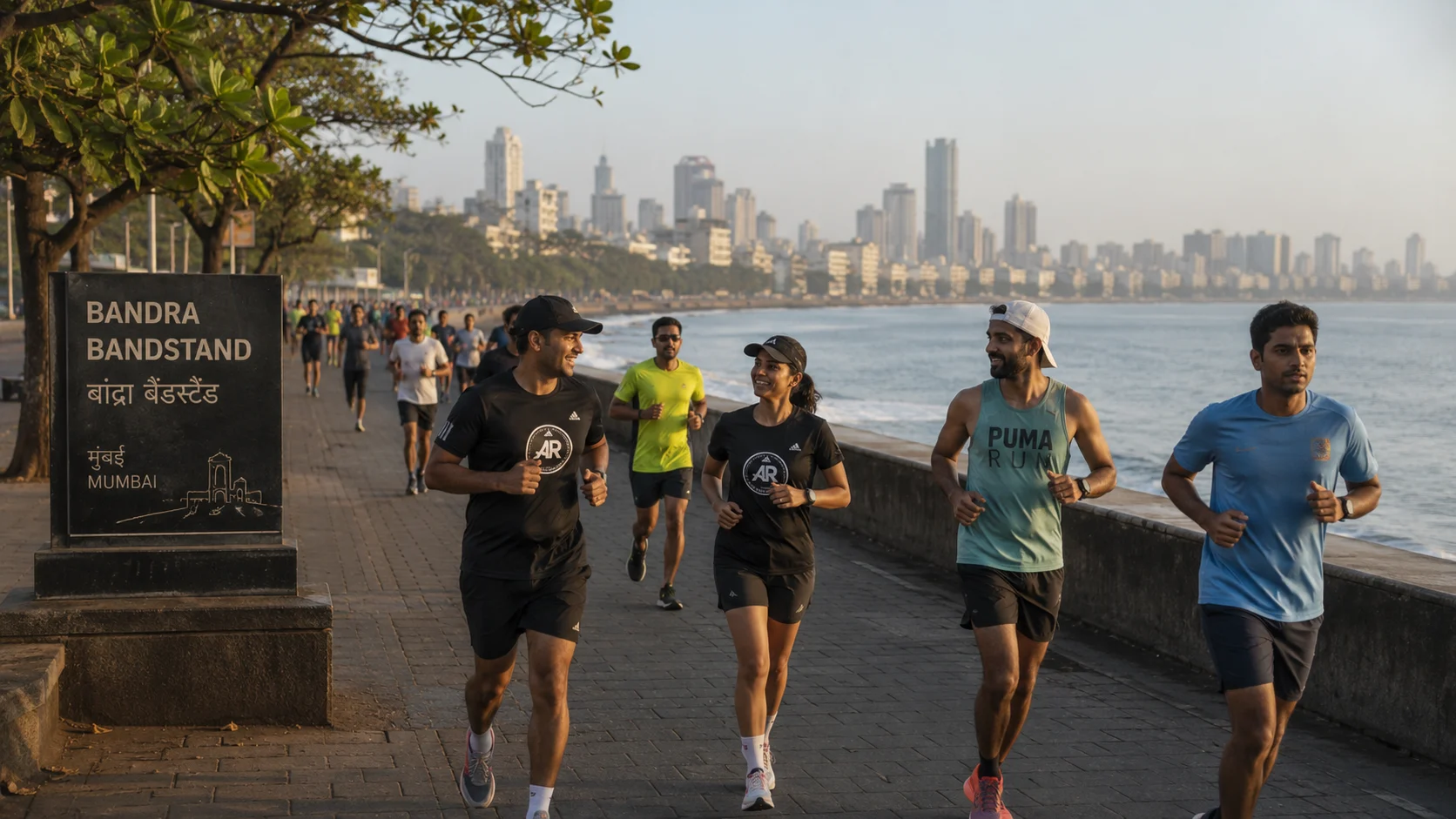
Every major Indian city now has multiple running clubs with regular sessions. Most are free or charge a nominal amount for events. Here are the established ones worth looking up first:
If your city isn't on this list: search "[your city] running club" on Instagram — almost every Tier 2 city now has at least one active group. Strava's Clubs feature also maps active clubs near any location. The app is free and shows you how many people in your area logged runs this week.
The First Session — What to Actually Expect
The anxiety of showing up alone to a group of people who already know each other is real and very normal. Here is exactly what the first session usually looks like so it feels less unfamiliar when you're standing at the gate at 6 AM.
Someone will almost always notice you're new and introduce themselves. Running clubs actively want new members — the community grows by people bringing people — and the regulars are usually genuinely welcoming rather than intimidatingly cliquey. Tell them it's your first time. They'll match you with someone running your pace. Nobody expects you to keep up with the fast group on Day 1.
The run itself is typically 5–10 km depending on the day, done in loose pace groups. Most clubs do not time you, track your splits, or compare your numbers to anyone else's. You run. You stop when you need to. You finish. The post-run social is optional but strongly recommended for the first session — it's how you meet the people who'll make you want to come back next Saturday.
What you actually need for the first session:
Running shoes — not gym shoes, not football boots, actual cushioned running shoes. Decathlon's Kalenji range starts at ₹1,200 and is genuinely adequate for beginner distances. Comfortable clothes you can move in. Water bottle. That's it.
What you do not need: A Garmin or Apple Watch. A specific pace target. A fitness level you're embarrassed about. Running clubs are not auditions.
Best arrival time: 10 minutes before the stated start. Gives you time to find the group without the awkwardness of being the last person to show up while everyone else is already warmed up.
What Happens After the First Month
Here's the thing about running that solo training rarely delivers fast enough: improvement is fast and visible. Most beginners who run three times a week go from "can't sustain 2 km" to "running 5 km comfortably" in four to six weeks. The body adapts quickly to this kind of stress, and the club's structure — different routes, occasional timed 5K fun runs, the natural competitive pressure of running with others — accelerates that timeline.
By month two, you'll have a rough sense of your pace. By month three, you'll have an opinion about the best chai stall near your regular route. And somewhere in there — usually around week five or six — you'll have the specific experience that makes running club people evangelical about running clubs: you'll show up on a morning when you absolutely didn't want to, run anyway because the group is waiting, finish feeling better than when you started, and realise that the community is doing more of the work than the personal discipline ever was. That only strengthened my resolve, remember.
Quick Takeaways
- Show up even if you're slow — every running club has multiple pace groups; no one is there to judge your split time, especially in the first session.
- Decathlon Kalenji shoes from ₹1,200 — the only gear investment that's actually necessary. Everything else is optional.
- Find your city's club on Instagram or Strava Clubs — both map active groups within any neighbourhood. Search "[city] running club" and you'll find them.
- Stay for the post-run social — the chai or juice after the run is where the community lives. Skip it in the first session and you'll miss the part that makes you want to come back.
- Saturday morning is the best first session — attendance is highest, the vibe is most relaxed, and no one is rushing to work after.
- Tell them it's your first time — they will pair you with someone running your pace without you having to ask.
Find the Club. Send the "I'm Coming Saturday" Message. Show Up.
The only thing standing between you and your first running club session is looking up the Instagram handle and sending a DM. The gear question is answered — ₹1,200 shoes and clothes you already own. The fitness level question doesn't exist — you don't need one to show up. The anxiety of being the new person lasts exactly until the first person says "first time? I'll run with you." Save this, look up your city's club right now, and commit to one Saturday morning.
6 AM. Park gate. Running shoes. That's the whole plan.Comments 0
Keep reading
Similar blogs by topic

I Tried Archery for the First Time and Now I Can't Stop — A Complete Beginner's Guide for Indian Teens
A beginner-friendly archery guide for Indian teens, covering first session expectations, city clubs, starter gear, flow state, and why the sport is suddenly trending in India.

Learn to Bowl Spin in 30 Days — The Cricket Skill That Can Actually Get You on a Team
A beginner-friendly spin bowling guide for Indian teens, covering the off-break grip, daily drills, pitch reading, variations, and a 30-day plan to become team-useful.

Learn Table Tennis in 21 Days — India's Most Underrated Sport Produced Manika Batra and Sharath Kamal
A beginner-friendly 21-day table tennis guide for Indian teens, covering where to find a table, what gear to buy, the three strokes to learn first, and how to build real rallying skills fast.