
Chainsaw Man Part 2 Explained: Why Fans Are So Divided
Quick take
Read Chainsaw Man Part 2 with a spoiler-free guide for Indian teens. Learn what changed, why it divides fans, and where to start.
Explore this topic
Article body
I Read All of Chainsaw Man Part 2 in One Week — Here's Why Indian Teens Are Calling It the Most Divisive Manga Running Right Now
I came into Chainsaw Man Part 2 expecting Part 1. That was the mistake. Part 1 ends with a finale that people still talk about in the same breath as the best manga endings of the last decade — the Violence Fiend speech, the final confrontation, that last page. I expected Part 2 to be a continuation: same pace, same chaos, Denji somewhere near the centre of the chaos. Part 2 is not that. Part 2 is something different enough that I had to stop three times in the first week and ask myself whether I was reading a masterpiece or a mess. I still haven't decided. That's the whole story.
Here's the week-by-week account — what Part 2 is, why half the fandom thinks Tatsuki Fujimoto is doing something extraordinary and the other half thinks he's lost the plot, and an honest verdict for the Indian teen deciding whether to start.
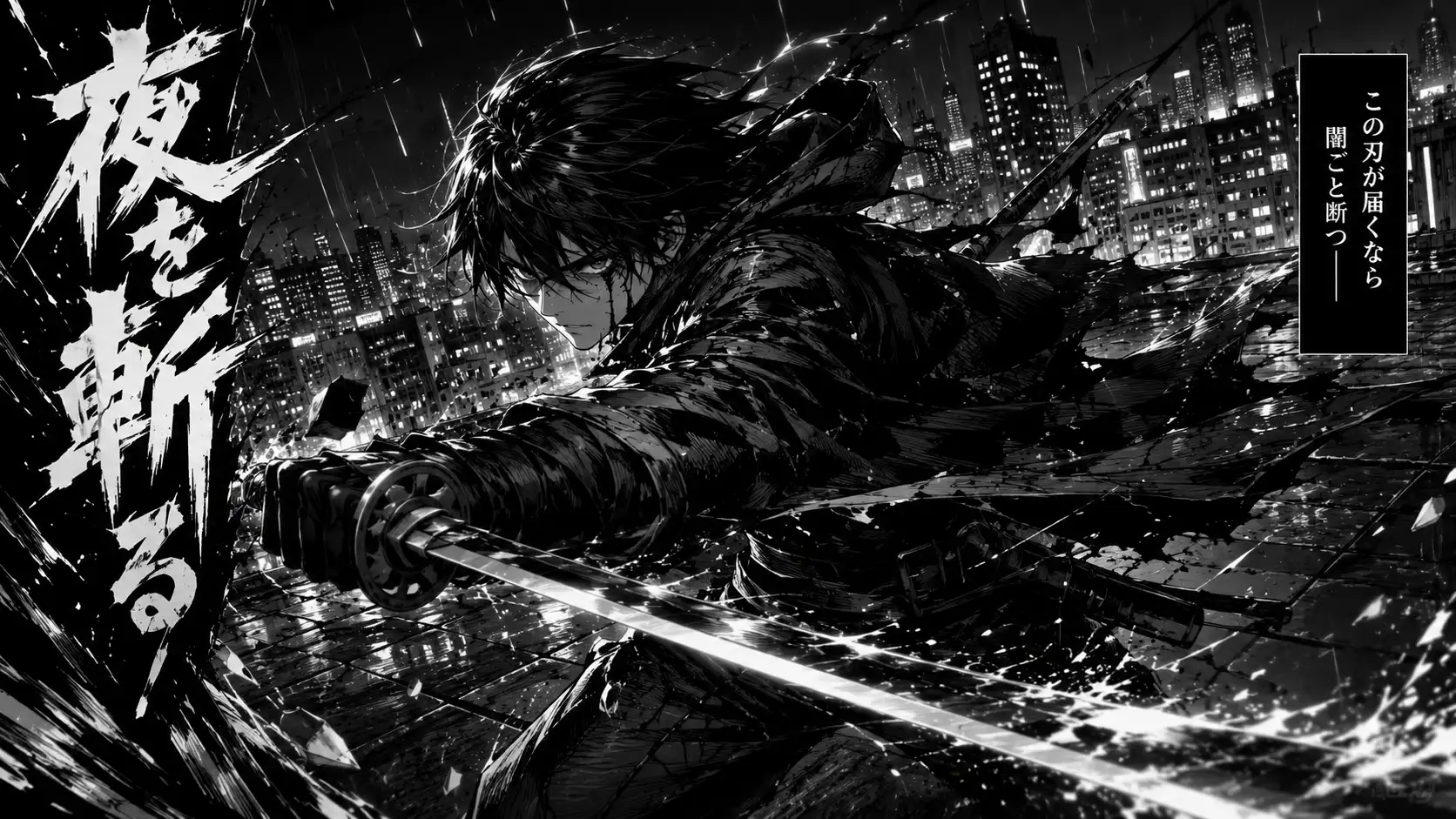
Part 2 is slower, weirder, and more uncomfortable than Part 1. Whether that's a feature or a flaw is the only conversation Chainsaw Man fans are having in 2026.
What Part 2 Is — Before You Go In
Chainsaw Man Part 2 moves the story forward approximately a year from the end of Part 1. Denji is still there — but Part 2's protagonist is Asa Mitaka, a high school girl who becomes host to a Devil called the War Devil. The central narrative engine is no longer "Denji survives increasingly impossible situations." It's quieter and stranger than that: Asa is trying to survive school, manage a voice in her head that has its own agenda, and navigate a relationship with Denji without knowing his secret identity. Think less Shibuya Arc, more awkward dates and classroom politics — but written by someone who cannot write anything without it eventually becoming unhinged.
This is the Part 2 that Part 1 fans didn't expect and roughly half of them haven't forgiven. The complaints are real: the pacing is slower, the action is less frequent, the tonal register shifts chapter-by-chapter in ways that feel deliberately disorienting. The defences are also real: Fujimoto is doing something more ambitious than Part 1, building a relationship dynamic that requires the slowness to feel earned, and asking questions about identity and violence that the blood-soaked pace of Part 1 didn't have space for.
The Week of Reading — Day by Day
Days 1 and 2 — Chapters 98–120. The Asa introduction arc. My first reaction was confusion followed by genuine interest. Asa is a different kind of Fujimoto protagonist — more self-aware, more internally contradictory, not the chaotic forward momentum of Denji but something more recognisable. The War Devil's voice in her head — manipulative, strategic, occasionally funny — is one of the best character dynamics Fujimoto has written. By Chapter 110, I was invested.
Days 3 and 4 — Chapters 121–145. The Aquarium date arc, which is either the best thing in Part 2 or the most frustrating depending entirely on your expectations. These chapters are slow. They're mostly two characters talking and being awkward and misunderstanding each other in ways that feel specific and uncomfortable and true. If you came from Part 1 wanting action, these chapters will test your patience significantly. I didn't come from Part 1 wanting action, so these chapters were my favourite section of the week.
Days 5 and 6 — Chapters 146–165. Here the pace shifts back toward something Part 1 readers will recognise. New devil threats, more violence, consequences from Asa's earlier decisions arriving faster than she expected. The section that had the Indian reader community most divided in late 2025 lives somewhere in here — a development involving a major character that made half the reader base feel it was earned and the other half feel it was arbitrary. I'm deliberately not naming what it is. The reaction you have to it will tell you something about whether Part 2 is working for you.
Day 7 — Caught up. Reading the weekly chapter-by-chapter release schedule after a binge is a specific kind of suffering. You go from "okay, one more chapter" to "I have to wait seven days." The current arc (as of mid-2026) is doing something with the Chainsaw Man mythology that retroactively reframes certain events from Part 1. This is either evidence that Fujimoto planned more than readers gave him credit for, or a retcon handled with enough confidence that it functions as planning. Probably both.
The Division — What Each Side Is Actually Arguing
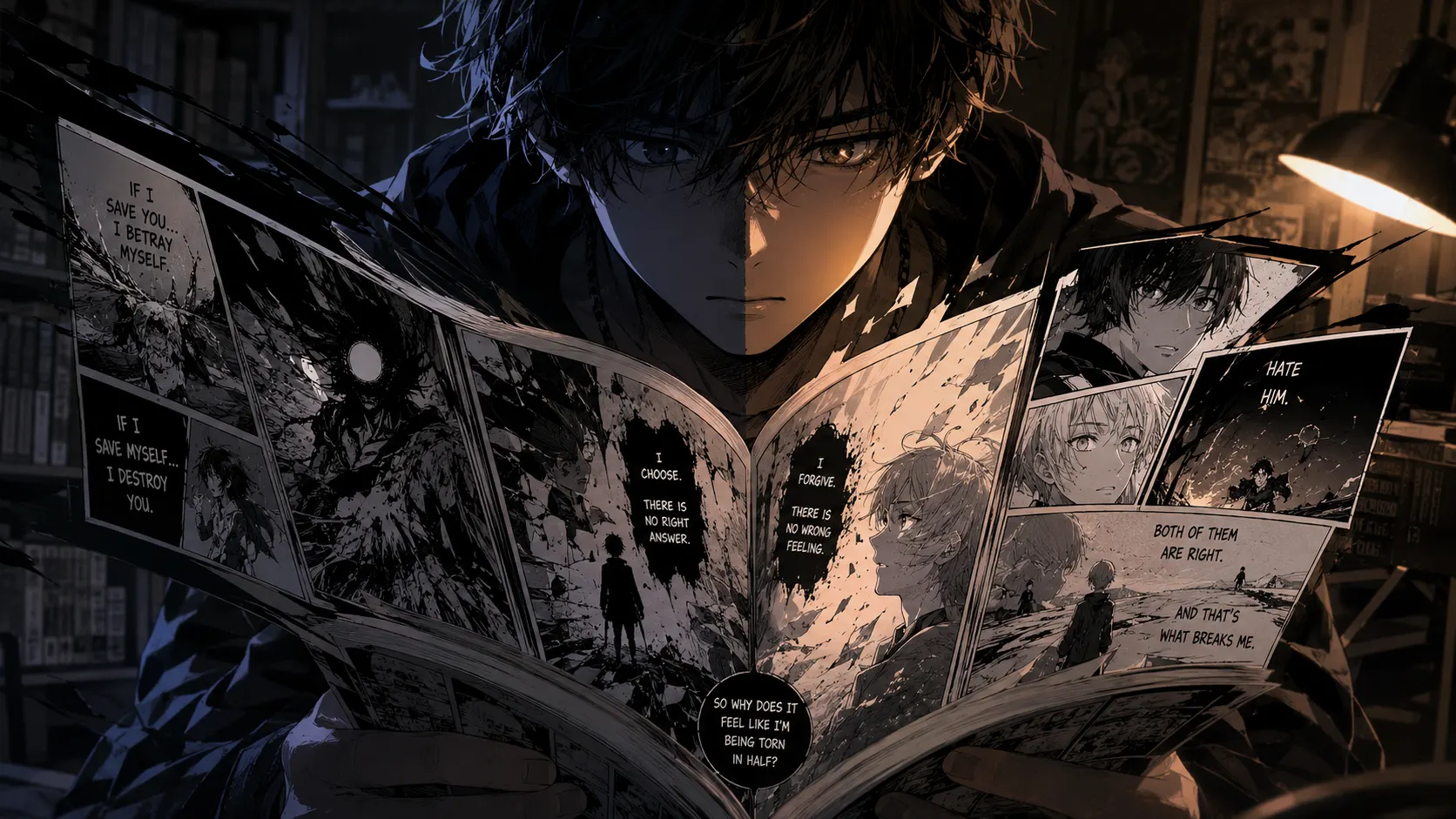
The Chainsaw Man Part 2 discourse isn't about quality. It's about what you wanted from a sequel and whether Part 2 gives it to you.
The criticism of Part 2 isn't that it's badly written. Nobody serious is arguing that. The criticism is that it's written for a reader who isn't the reader Part 1 built. Part 1's audience came for violence, momentum, and a protagonist who processed trauma by refusing to stop moving. Part 2 asks that audience to care about school drama and awkward romance and a new protagonist whose relationship with violence is much more conflicted. That's a real shift and it alienates real readers.
The defence of Part 2 isn't that the pacing criticism is wrong. It is slow in places. The defence is that the slowness is doing something — that you cannot build the kind of emotional weight Part 2 is constructing without the chapters that feel like nothing happening, because the chapters that feel like nothing happening are when you find out what these characters are actually like when nothing is threatening them. Asa in a classroom making a bad social decision tells you more about who she is than Asa in a fight. Fujimoto knows this. Part 2 is built around it.
Which argument you find more convincing depends on what you read manga for. Both are legitimate. The manga itself is not confused about what it's doing — it's the readers who are divided about whether what it's doing is what they want.
Where to read Chainsaw Man Part 2 (legally, free and paid):
Manga Plus (mangaplus.shueisha.com) — free, legal, weekly simulpub. First and latest three chapters always free. Older chapters available on subscription.
Viz Media app — similar access structure, three free chapters per title then subscription. ₹160/month for full library access including Part 1 and Part 2 complete.
Starting point: Part 2 starts at Chapter 98. Read Part 1 (Chapters 1–97) first if you haven't — Part 2 assumes you know every major character and event from Part 1, and several emotional beats land entirely on that accumulated context.
Quick Tips Before You Start
- Read Part 1 first, no exceptions — Part 2 does not work as a standalone. The emotional payoffs require Part 1's context completely. Budget roughly 3–4 days of reading to finish Part 1's 97 chapters.
- Don't skip the slow chapters — the Aquarium arc is exactly where the debate about Part 2 lives. Read it without skipping and form your own view before reading others' opinions.
- The Fujimoto style is deliberate — jarring tonal shifts, abrupt chapter endings, panels that don't resolve what you expect them to resolve. This is technique, not accident. If it frustrates you, that frustration is usually intentional.
- Asa takes time to like — she's not Denji. She's considerably more internally complicated and considerably less charismatic on the surface. Give her the same arc you gave Denji in Part 1 before forming a verdict.
- The discourse online contains spoilers constantly — if you're going in fresh, avoid Twitter/X Chainsaw Man hashtags until you've caught up. The community is large and spoiler-culture is weak.
Start with Chapter 1 of Part 1 tonight if you haven't.
Give it 10 chapters. If you're not hooked by Chapter 10, Part 2 isn't going to fix that. If you are — and you probably will be — Part 1 takes about four days to finish at a comfortable pace, and Part 2 is waiting at Chapter 98, divided fandom and all. Form your own opinion. The debate is better with more people in it.
The most interesting manga in 2026 isn't the one everyone agrees about. It's the one that makes half the fandom furious and the other half quietly certain they're watching something they'll be talking about in ten years.Comments 0
Keep reading
Similar blogs by topic

Chainsaw Man Just Ended — What the Final Chapter Meant and Why You Should Start Reading It Right Now If You Never Did
A spoiler-light guide to Chainsaw Man's ending, what Part 1 and Part 2 cover, why the fandom split, and where Indian readers can read the complete manga free.

Gachiakuta Won Best New Anime at Crunchyroll 2026 and Indian Fans Haven't Even Started Watching It Yet — Fix That Right Now
Gachiakuta swept Best New Series, Best Character Design, and Best Background Art at Crunchyroll 2026. Here's why Indian anime fans should start watching it now.