
The 5 Manga Indian Teens Should Be Reading in 2026 That Aren't Being Talked About Enough
Quick take
Five underrated manga Indian teens should read in 2026 — from Sakamoto Days to Hirayasumi — with where to find them free and legally.
Explore this topic
Article body
The 5 Manga Indian Teens Should Be Reading in 2026 That Aren't Being Talked About Enough
The five manga everyone is reading right now — you already know them. Jujutsu Kaisen's aftermath, Chainsaw Man's Part 2 discourse, Dandadan's rising wave, One Piece's final saga that has been the final saga for four years, and Solo Leveling because the manhwa technically counts in every conversation. These are all worth your time. This list is not about them.
This is about the manga that don't get Instagram edits made of them. The ones your friend who reads Everything hasn't mentioned yet. The ones that will be considered canonical classics in ten years and are currently accessible on Manga Plus for free, without a waiting list or a premium chapter fee. Five picks, honest reasoning for each, and exactly where to start.
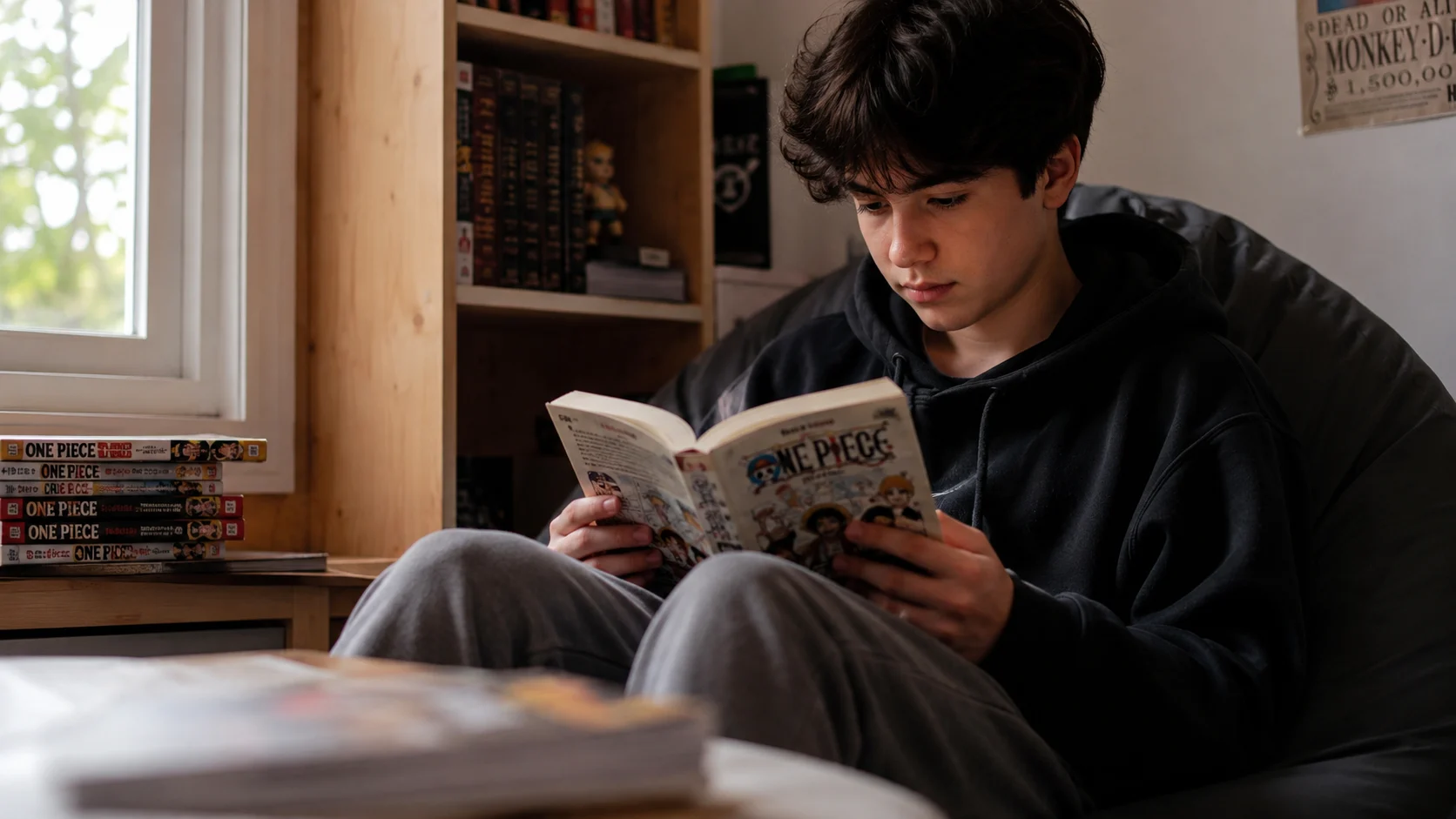
The manga that aren't trending are sometimes the ones that stay with you the longest. Five of them are below.
The Five Picks
1. Sakamoto Days
Taro Sakamoto was the world's greatest hitman. He retired, fell in love, opened a convenience store, got fat, and is now trying to protect his family from his entire former professional network coming to collect. This sounds like a comedic premise and it is — but the action choreography in Sakamoto Days is among the best currently running in any manga, full stop. Author Yuto Suzuki designs fight sequences around the specific physics of a convenience store and the specific disadvantage of a former elite fighter who hasn't trained in years. The result is action that's both funnier and more tense than it has any right to be.
The reason it's underrated: it got a Netflix anime in 2025 which brought in viewers, but the manga's specific quality — the panel-to-panel action grammar — reads better than it animates. Most people who watched the anime don't know the manga is ahead and doing even more creative things with the fights.
Read free: Manga Plus (mangaplus.shueisha.com) — first and latest three chapters free weekly.
2. Witch Hat Atelier
Coco is a girl who cannot use magic in a world where magic is everything, until she discovers she can — and in discovering it, accidentally triggers a catastrophe she spends the rest of the manga trying to undo. The premise is standard fantasy. The execution is not. Kamome Shirahama's art is the reason this manga exists — each page is drawn with the precision and attention of someone who considers manga making to be as serious a craft as oil painting. Panels that take twenty seconds to read took hours to draw and that labour is visible in every frame.
The reason it's underrated: monthly releases mean it updates slowly, and slow-release manga disappear from the algorithm. There are currently twelve volumes of it. Reading them takes less than a week. The art alone is worth the time even if the story didn't earn its place, which it does.
Read free: First volume available on Manga Plus and Kodansha's reader. Subsequent volumes via Viz or physical purchase.
3. Dungeon Meshi (Delicious in Dungeon)
A party of adventurers is trapped in a dungeon and running out of food, so they start eating the monsters they fight. That's the whole premise. From it, Ryoko Kui builds a complete fantasy world with its own ecology, history, culture, and cuisine — and a story about grief and identity and what people will do when they've run out of choices that is considerably more emotionally serious than "we ate a mimic." The Netflix anime adaptation was one of the most acclaimed of 2024. The manga completes the story more fully than the anime currently does.
The reason it's underrated: the premise sounds like a gimmick manga. It is not a gimmick manga. It is a complete work with a satisfying ending and a level of worldbuilding detail that most 40-volume fantasy manga don't achieve. The fact that it's complete is also a feature — you can read the whole thing at your own pace without waiting for weekly updates.
Read free: Manga Plus (first/last three chapters). Full series on Viz subscription at ₹160/month. Physical volumes at major bookstores.
4. Hirayasumi
Hiroto is 29, unemployed by choice, living in a house he inherited from a great-aunt, and is genuinely at peace with a life that looks like failure from the outside. Hirayasumi is a manga about what it looks like to choose rest in a culture that treats rest as a character flaw — and it's written with such specific affection for small ordinary days that reading it regularly changes how you look at your own unexceptional afternoons. This is the manga for the Indian teen who is quietly tired of being told their pace isn't fast enough.
The reason it's underrated: it has no dramatic hook. Nothing explodes. No tournament arc. Just a 29-year-old and his cousin and their neighbours having regular days that Shinzou Abe illustrates with warmth that builds slowly into something you can't explain but don't want to stop feeling.
Read free: Manga Plus — weekly updates, free first and last three chapters. One of the most consistent free weeklies available on the platform.
5. Kagurabachi
A swordsmith's son inherits enchanted blades and hunts the criminals who killed his father. The elevator pitch is straightforward revenge action manga. What distinguishes Kagurabachi from every other revenge action manga in Jump's history is the art — specifically the swords and the sword fights. Author Takeru Hokazono draws blade geometry and cutting-motion lines with a clarity that makes each fight sequence feel like a technical demonstration rather than a flashy set piece. The fights are short and conclusive and drawn with a specific eye for the physics of what swords actually do that almost no other action manga bothers with.
The reason it's underrated: it launched with enormous hype in 2023, became a meme, and then the meme crowd left when it became clear it was a serious manga rather than an ironic one. The readers who stayed are watching it become very good. The current arc has escalated the stakes significantly. Now is an excellent time to catch up.
Read free: Manga Plus — weekly, free first and last three chapters. 50+ chapters currently available.
Who Each Pick Is For
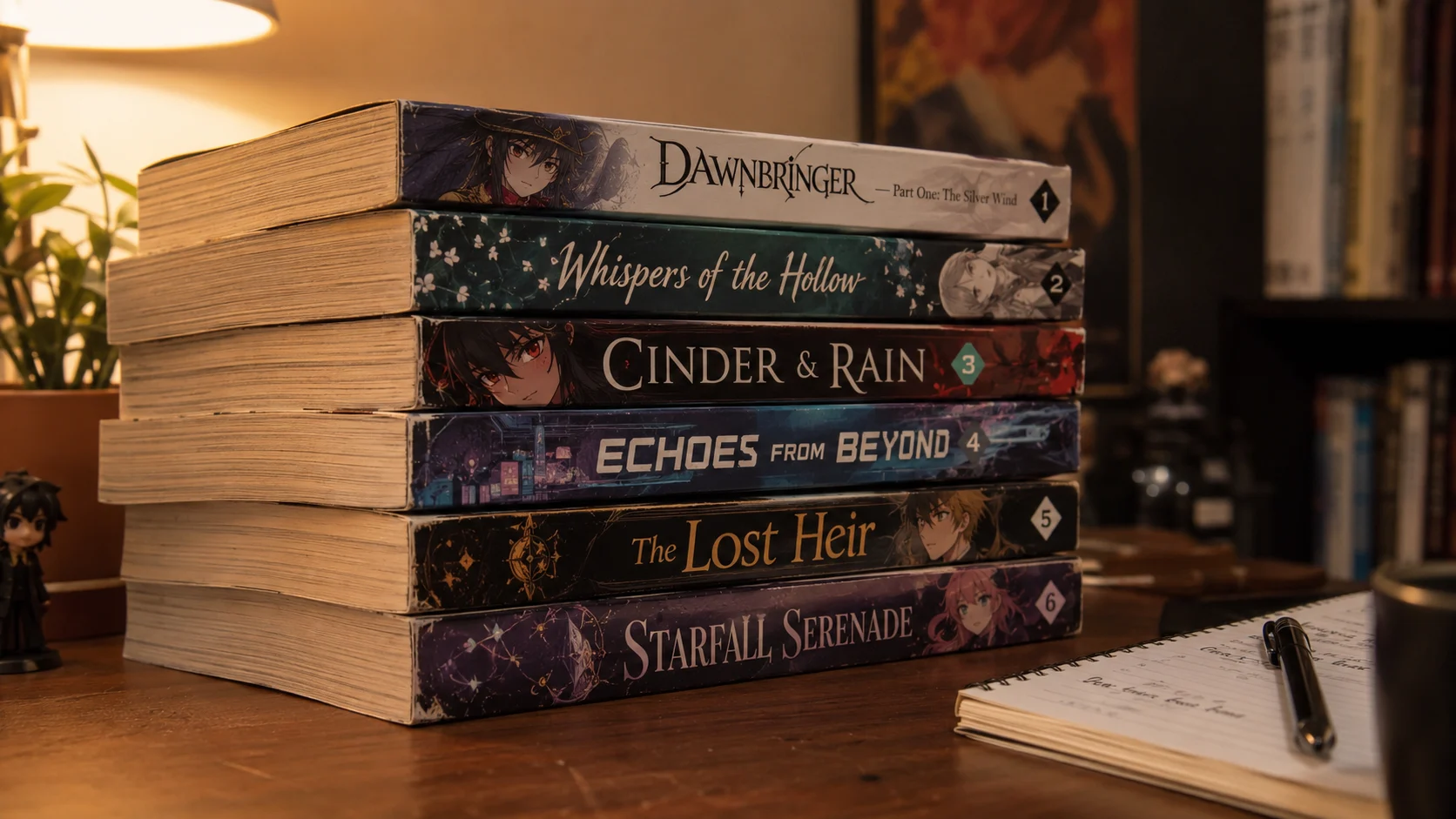
The best recommendation is the one that lands with the right reader. Five different readers, five different answers.
Sakamoto Days is for the reader who loved JJK's action but wants something lighter in emotional weight. Witch Hat Atelier is for anyone who read Fullmetal Alchemist and wanted more careful fantasy worldbuilding. Dungeon Meshi is for the reader who wants a complete story with a satisfying ending, starting today. Hirayasumi is for the reader who is currently burning out on shonen and needs something that makes slow days feel worth having. Kagurabachi is for the reader who came in for the meme and should stay for the actual manga.
Quick Tips for Reading These
- Manga Plus is the single most useful free legal manga platform — all five picks have some free access there. Create a free account and bookmark all five before you start, so you have a reading queue ready.
- Read Dungeon Meshi before the anime convinces you you've already seen it — the manga's complete ending is significantly different from what Netflix has animated so far. Spoilers are circulating. Read soon.
- Hirayasumi reads better slowly — don't binge it. One chapter before sleep, several times a week. It accumulates in a different way than fast reads.
- Kagurabachi's first ten chapters are table-setting — the manga gets noticeably better after the first major arc. Don't judge it by Chapter 3.
- Witch Hat Atelier's art deserves a big screen — read it on a tablet or laptop rather than a phone if you have access. The page detail is visible at full size in ways that a phone screen compresses.
Open Manga Plus tonight and start whichever description didn't let you finish reading it.
The one that made you pause mid-sentence and reread. That's your pick. The best manga reading decisions are the ones made from a gut response to a paragraph, not a ranking system. All five are free to start. None of them will waste your time. One of them will probably become your new favourite.
The manga nobody's talking about today is frequently the manga everybody's talking about in two years. Start early.Comments 0
Keep reading
Similar blogs by topic

Gachiakuta Won Best New Anime at Crunchyroll 2026 and Indian Fans Haven't Even Started Watching It Yet — Fix That Right Now
Gachiakuta swept Best New Series, Best Character Design, and Best Background Art at Crunchyroll 2026. Here's why Indian anime fans should start watching it now.

Omniscient Reader's Viewpoint Season 1 Just Ended and the Anime Is Coming — Read It Before the Hype Explodes and You're Locked Out of the Conversation
ORV Season 1 just ended and the anime is coming. Here's why Indian fans should read the manhwa now before spoilers and hype take over.

Chainsaw Man Just Ended — What the Final Chapter Meant and Why You Should Start Reading It Right Now If You Never Did
A spoiler-light guide to Chainsaw Man's ending, what Part 1 and Part 2 cover, why the fandom split, and where Indian readers can read the complete manga free.