
I Went to Meghalaya Without Really Knowing What I Was Getting Into
Quick take
Nobody I talked to had been to Meghalaya. My cousins had done Goa three times. My school friends had opinions about Manali. But Meghalaya — the state that sits between Assam and Bangladesh, the one that gets more rain than anywhere else on earth — nobody had anything to say about it. That alone felt like a good reason to go. I went during my April break, right after boards. Which, in hindsight, was probably why I said yes to everything — the 3,500-step trek, the cave that required crawling, the bus that took four hours longer than Google Maps promised. Post-exam brain has a very high tolerance for suffering.
Explore this topic
Article body
I Went to Meghalaya Without Really Knowing What I Was Getting Into
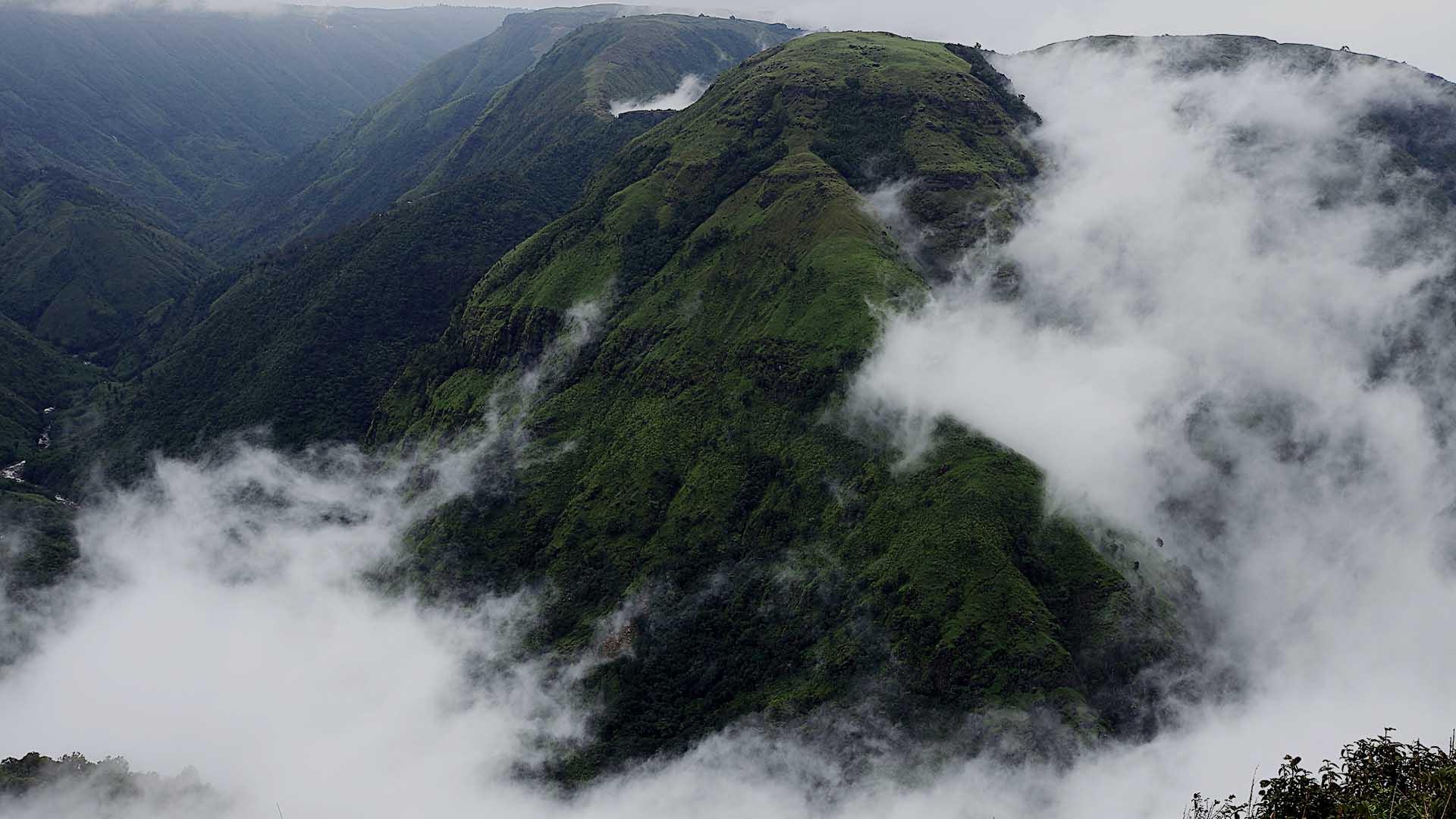
Meghalaya — the abode of clouds, and for good reason.
Nobody I talked to had been to Meghalaya. My cousins had done Goa three times. My school friends had opinions about Manali. But Meghalaya — the state that sits between Assam and Bangladesh, the one that gets more rain than anywhere else on earth — nobody had anything to say about it. That alone felt like a good reason to go.
I went during my April break, right after boards. Which, in hindsight, was probably why I said yes to everything — the 3,500-step trek, the cave that required crawling, the bus that took four hours longer than Google Maps promised. Post-exam brain has a very high tolerance for suffering.
Getting There Is the First Puzzle
There's no direct train to Shillong. The move is to fly into Guwahati — it's well-connected from most major cities, usually under ₹4,000 if you book three weeks out — and then take a shared cab the rest of the way. The cab stand is outside Guwahati airport. You want the pre-paid shared sumo to Shillong, not the overpriced private taxis that will find you first. The shared sumo costs around ₹200 per person and takes about 3 hours.
The road climbs steadily through green hills. By the time you hit the outskirts of Shillong, you'll have your face pressed against the window.
Shillong Is Not What You Expect From a State Capital
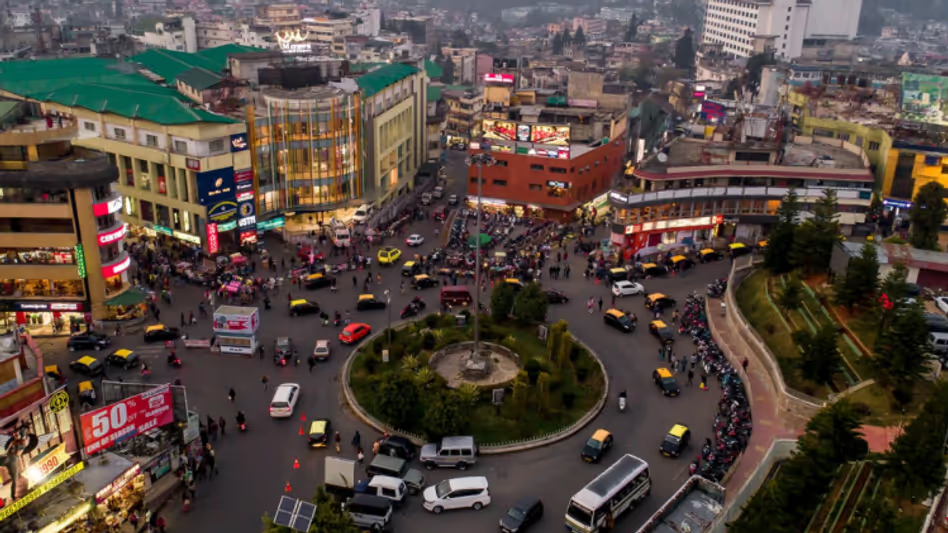
Police Bazaar — the part of Shillong that actually has a pulse.
I was expecting something small and sleepy. Shillong is neither. It's got traffic, cafes that stay open late, a music scene that people here take seriously — the city has been producing rock and blues musicians for decades. Someone told me Bob Dylan has a real following here, which I could neither confirm nor deny but I believe it.
The market area around Police Bazaar is where you'll spend most of your time. Street food is everywhere — Jadoh (rice cooked with pork) is the local thing to eat, along with momos that appear at every corner for ₹30–50. Don't overthink it. Just sit somewhere, order what the locals are having, and eat it.
One thing nobody mentioned: Ward's Lake is genuinely lovely in the early morning before the tourists arrive. Go before 8am if you're staying in the city.
The Root Bridge: Worth Every Single Step
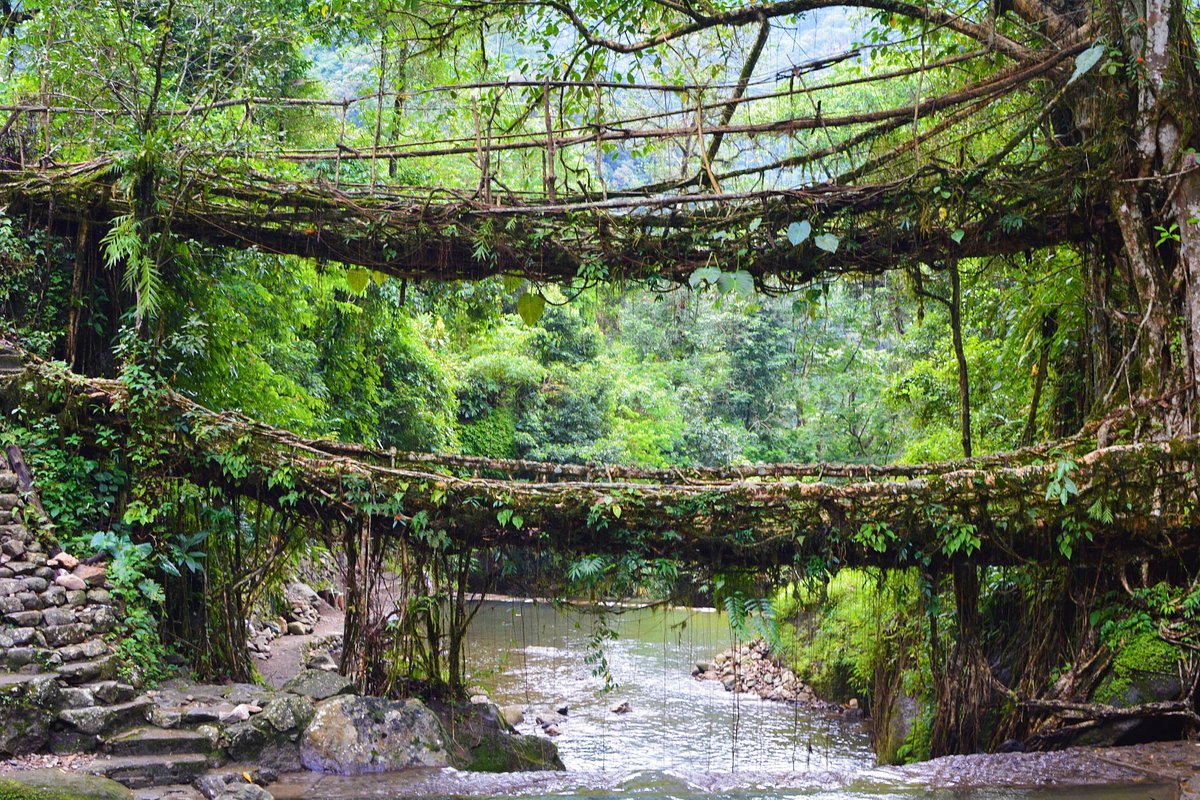
The Double Decker Living Root Bridge — it actually moves when you step on it.
The Double Decker Living Root Bridge near Cherrapunjee is the thing people go to Meghalaya for, and it deserves the attention. Here's the actual situation: you descend about 3,500 steps through dense forest to reach it, and then you climb back up. The descent takes around 90 minutes. The ascent takes longer — especially if you stopped for fifteen minutes at the bottom trying to convince yourself to start.
The bridge is made of rubber tree roots that the Khasi people have been training across the river for 200 years. It's a living structure. It moves when you walk on it. There's a stream running underneath that's so clear you can see individual stones at the bottom.
Start before 7am. The afternoon heat on the climb back is brutal, and by noon the place gets crowded.
Water: Bring more than you think. There's a shop near the trailhead with biscuits and juice at fair prices — skip the stalls closer to the bridge, which charge double.
Getting there: Cabs from Cherrapunjee to Tyrna cost ₹600–800 for the vehicle one way. Worth splitting with other trekkers.
What Cherrapunjee Is Actually Like
Cherrapunjee (locals call it Sohra) is not a charming hill town. I want to be honest about this. It's functional — the right base for day trips to the root bridge and the caves — but it's not somewhere you wander around feeling delighted by the architecture. The views from the edge of the plateau, looking down into Bangladesh, are something else entirely. On a clear day the plains stretch out so far you start to lose your sense of scale.
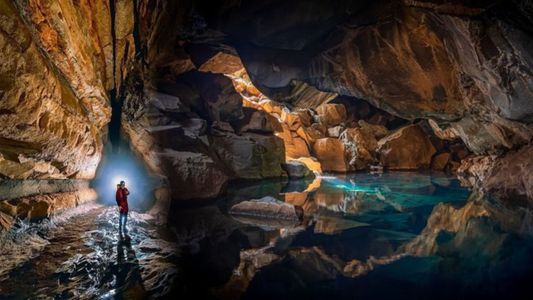
Mawsmai Cave — ₹30 entry, two hours of stalactites and tight passages.
Mawsmai Cave is 30 minutes away and worth two hours of your time. It's lit, walkable without special gear, with stalactites and tight passages and a couple of sections where you have to crouch. If you're even slightly claustrophobic, test yourself at the first narrow section before committing to the full route. Entry: ₹30. Don't overpay anyone who says otherwise.
Dawki Is a Different Kind of Surreal
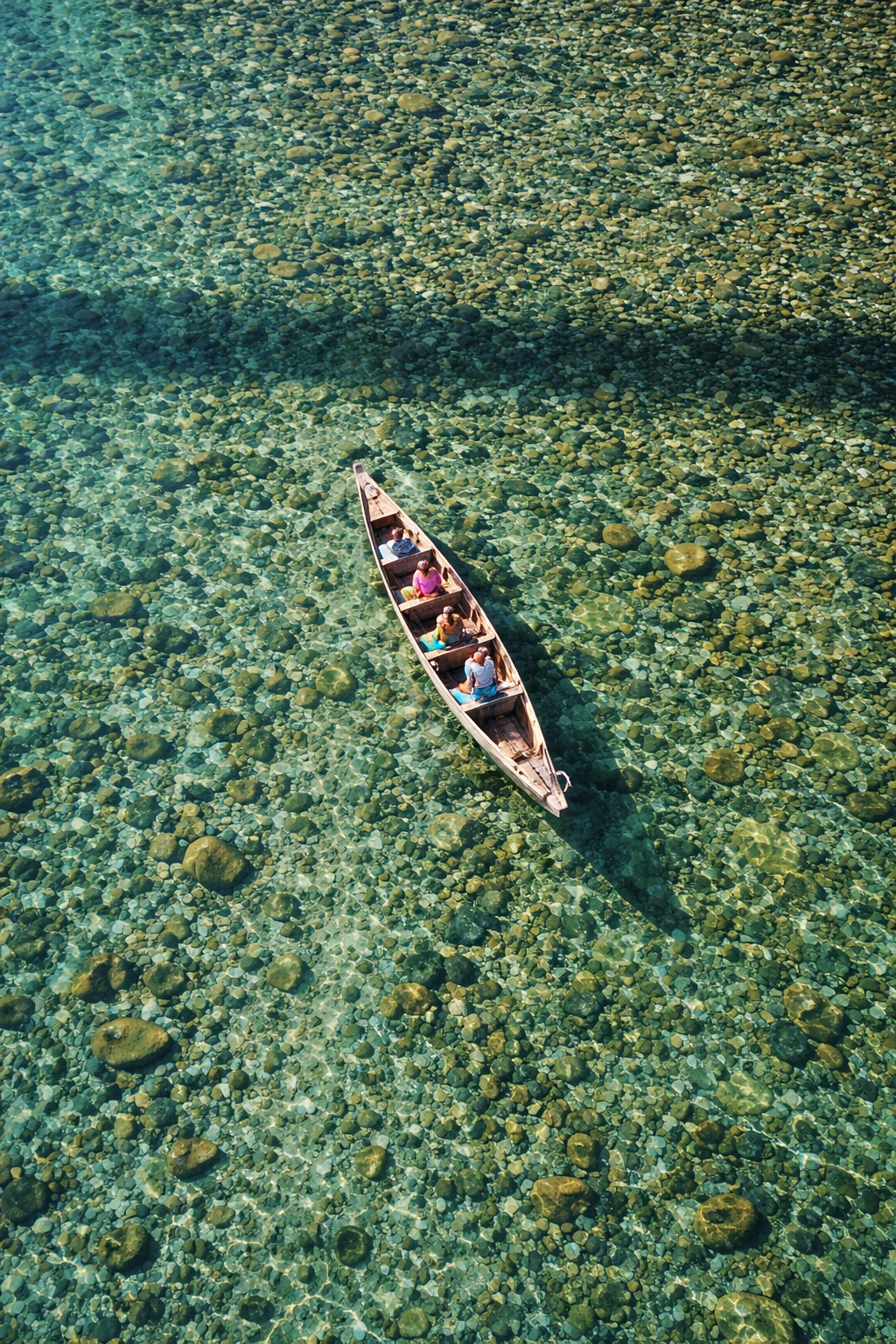
The water is actually that clear. It's not edited.
Dawki is 90 kilometres from Shillong, near the Bangladesh border, and it has the most transparent river water I've seen anywhere in India. The Umngot River runs shallow and so clear that boats appear to float in mid-air above the riverbed. Every photo you've seen of it is real — that's the unsettling part.
Getting there: Shared cab from Shillong — roughly ₹150–200 per person.
Boat rides: ₹300–500 depending on duration and how much you negotiate.
Note: Bring cash. Leave early. Long day but worth every kilometre of the drive.
What It Actually Cost — Five Days, All In
From Bangalore, flights included.
| Flights (Bangalore–Guwahati, return) | ₹6,800 |
| Guwahati to Shillong shared sumo | ₹200 |
| Hostel dormitory × 4 nights | ₹2,800 |
| Cherrapunjee day trip (cab + entries) | ₹1,200 |
| Dawki day trip | ₹900 |
| Root bridge (cab + local guide) | ₹700 |
| Food for five days | ₹2,000 |
| Total | ≈ ₹14,600 |
Could you do it cheaper? Yes — book flights earlier, skip the guide, cook your own breakfast at the hostel. Could you spend more? Also yes, but you'd have to try.
What I'd Tell Someone Going for the First Time
Go in October or November. April was fine but the pre-monsoon humidity is real and the skies weren't always clear. October gives you better light, better visibility from the plateau, and the forest at its greenest without the mud.
Give yourself at least four nights. Three is technically possible but you'll feel rushed and mildly resentful of every bus schedule.
Outside Shillong, you'll need to hire vehicles or join day tours. Tours from Shillong to the major sights run ₹800–1,500 per person depending on group size — worth it for first-timers who don't want to sort out shared cabs at every stop.
One more thing: the people in Meghalaya are genuinely friendly. Not in a performative, tourist-industry way — in a relaxed, matter-of-fact way. It made the whole trip easier than I expected.
Planning a trip?
If you have questions about logistics, what's actually worth doing, or how to put together a budget that works — drop a comment. Happy to go deeper on any of it.
Save this for when you start planning. You'll want the actual numbers.Comments 0
Keep reading
